
Artificial Analysis 近日发布了 **Gemini 4 Argon (High)** 的评测报告,这款由 Google 推出的专有模型于 2026 年 9 月发布。报告显示,该模型在智能水平上表现突出,在 224 个同类模型中排名第 8,但在速度和成本方面仍有优化空间。 ## 智能表现:跻身第一梯队 Gemini 4 Argon (High) 在 **Artificial Analysis 智能指数** 中得分 **53**,远高于同类模型的中位数 **26**。该指数综合评估了模型的推理、知识、编程等多项能力,53 分意味着它已进入顶尖模型行列。值得注意的是,该模型支持**推理模式**(Reasoning),这可能是其高分的关键因素之一。 ## 速度与成本:性价比尚可 在速度方面,报告未提供具体数据,仅标注为“N/A”。这可能意味着该模型在输出速度上并非其强项,或者评测数据尚未公开。 成本方面,Gemini 4 Argon (High) 的定价为 **每百万输入 token 2 美元**,**每百万输出 token 10 美元**,与同类模型中位数持平。但得益于 **95% 的缓存折扣**,实际使用成本可能更低。完成一次智能指数任务的加权平均成本为 **1.99 美元**,在成本效益上处于中等水平。 ## 技术规格与适用场景 - **输入模态**:支持文本和图像 - **输出模态**:仅文本 - **上下文窗口**:**100 万 token**,约相当于 1500 页 A4 纸的内容 - **推理能力**:支持推理模式(本次评测为推理版本) 该模型适用于需要处理长文档、复杂推理任务的场景,例如学术研究、法律文件分析、代码生成等。其百万级上下文窗口尤其适合处理书籍、报告等长文本。 ## 行业背景与竞争格局 Gemini 4 Argon (High) 的发布正值 AI 模型竞争白热化阶段。Google 通过 Gemini 系列持续发力,试图在智能水平上对标 OpenAI 的 GPT 系列和 Anthropic 的 Claude 系列。此次评测显示,Gemini 4 Argon (High) 在智能上已具备竞争力,但速度未知可能成为其短板。 此外,该模型属于专有模型,与开源模型相比,其在透明度和可定制性上可能受限。但对于企业用户而言,其稳定的性能和 Google 的生态支持仍是重要优势。 ## 总结 Gemini 4 Argon (High) 是一款智能水平领先、定价合理的大模型,尤其适合需要长上下文和复杂推理的任务。尽管速度数据缺失,但其在智能指数上的高分和缓存折扣带来的成本优势,使其成为值得关注的选择。随着 AI 模型竞争加剧,Google 能否在速度与成本上进一步优化,将决定其市场地位。
## 前沿模型再升级,但 Google 这次选择“先锁后放” Google 今日正式揭晓其下一代前沿 AI 模型 **Gemini 4 Argon**。据 Google 首席 AI 架构师、DeepMind 高级副总裁 **Koray Kavukcuoglu** 介绍,该模型在“真实软件工程、法律与金融等企业知识工作,以及网络安全防御等复杂工作流中,均展现出前沿性能”。然而,Google 并未立即向公众开放,而是将首批访问权限限制在一组 **“可信网络防御者”** 手中。 Kavukcuoglu 表示,Google 正在“积极参与美国政府针对模型发布前访问的自愿流程”,同时“逐步扩大访问范围”。这意味着 Gemini 4 Argon 的发布策略更偏向审慎——先让安全专家试用,再考虑更广泛的推广。 ### 内部已用,代码迁移等任务表现亮眼 Kavukcuoglu 透露,Gemini 4 Argon 已经在驱动 Google 的 **内部工作流**,并特别提到该模型在**大规模代码库迁移**等任务中发挥了作用。Google 还公布了一张大型基准测试图表,显示 Gemini 4 在多个评测项目中优于 OpenAI 和 Anthropic 的竞品。此前,AI 社区曾在 X 上热议疑似泄露的该模型基准数据。 ### 安全优先:防误用、防提示注入、监控失准 在更广泛推广之前,Google 将强化 **“关键前沿保障措施”**,包括防御模型滥用、提示注入攻击,并监控模型是否出现失准(misalignment)。这一举措与当前 AI 行业对前沿模型安全性的高度关注一脉相承。 ### 发布时间点微妙:紧邻 OpenAI DevDay Gemini 4 Argon 的发布仅比 OpenAI 的 DevDay 大会晚一天。在那场大会上,OpenAI 推出了 **Dots AI 代理**和 **GPT-6.1 Sol** 模型,同时表示出于安全担忧,不会发布原计划的 **GPT-6.1 Astra** 模型。此外,此次发布也距离 Kavukcuoglu 8 月被任命为 DeepMind 新负责人不久。 ### 行业信号:前沿模型竞争进入“安全竞赛”阶段 Google 对 Gemini 4 Argon 的受限发布,反映出前沿 AI 模型的竞争正从单纯的能力比拼,转向 **能力与安全并重** 的新阶段。在 OpenAI 因安全顾虑推迟发布、Google 限制访问权限的背景下,如何平衡创新速度与风险控制,已成为所有头部 AI 实验室必须回答的问题。 目前,Google 尚未公布 Gemini 4 Argon 向普通开发者或企业广泛开放的具体时间表。

## 一场午宴后的"自愿承诺" 本周二,**Google、Anthropic、Meta、OpenAI、xAI 和 Nvidia** 六大 AI 公司的高管齐聚白宫,在总统特朗普主持的午宴后共同签署了所谓的"**白宫超级智能协议**"(The White House Accord on Super Intelligence)。特朗普将其称为"**极大的自我监管**",但这与业界内部一直呼吁的全面 AI 监管相去甚远。 这份协议本质上是一份**自愿性承诺**,而非具有约束力的法规。即便企业未能兑现公开承诺,理论上可能构成对消费者的非法欺骗,但这也远不足以触发大规模改革。 ## 协议到底承诺了什么? 根据声明内容,签署企业"**应当**"落实以下几项措施: - **建立强有力的内部控制**,以监测模型能力,确保其不会失控或以非预期方式入侵系统; - **赋权内部团队**执行上述工作,并在出现问题时进行补救; - **与外部监督者合作**,由其开展独立评估,核实上述工作是否真正落实; - **确保董事会设立专门委员会**,接收关于这些工作的汇报。 这些自愿性承诺在一定程度上表明,前沿实验室正在努力探索如何打造对公众安全的产品。 ## 政府"背书"的希望迅速破灭 然而,如果业界曾期待获得美国政府的全面认可,这一希望很快就被打破——有消息称,**美国联邦贸易委员会(FTC)打算以潜在的消费者保护问题为由,对多家 AI 公司展开调查**。 这份声明的出台,是数周来 AI 监管辩论的最终产物。此前,前沿 AI 实验室还曾寻求**反垄断豁免**,以便在不受监管审查的情况下协调安全工作。不过,反垄断专家和从业者指出,这种豁免并无必要——因为研究人员警告,如果无所作为,AI 可能终结人类,而这本身就可被视为反竞争行为,毕竟人类是任何市场不可或缺的组成部分。 ## 并非首次"拉勾" 值得注意的是,这并非这些公司首次与政府签署关于 AI 安全实践的自愿协议。早在 **2025 年初**,英国和韩国就曾宣布一套"**前沿 AI 安全承诺**",其中包含开展内部评估等承诺。 此次白宫协议的象征意义大于实质约束力,它更像是一场华丽的"拉勾承诺"——姿态明确,但执行力和问责机制仍然模糊。在 AI 能力飞速演进与监管呼声日益高涨的夹缝中,这类自愿性框架能否真正保障公众利益,仍是一个悬而未决的问题。

## Google 突然发布 Gemini 4 Argon,但开发者还用不上 Google 刚刚扔出了一枚重磅炸弹:**Gemini 4 Argon** 模型正式官宣。但别急着去试——目前它只存在于论文和演示视频里,普通用户和开发者都无法访问。 这距离 Gemini 3.5 Pro 的传闻才过去没多久。此前业界普遍预期 Google 会先推出 3.5 系列的小幅迭代,结果直接跳到了 4.0 世代。这种命名策略让人联想到 Google 在 AI 竞赛中急于展示肌肉的心态:既然追赶 OpenAI 的 GPT-4o 和 Anthropic 的 Claude 3.5 Sonnet 已经吃力,不如直接放一个大招。 ### 为什么发布了却不能用? 根据 Ars Technica 的报道,Google 这次只公布了模型架构和部分基准测试成绩,没有开放 API,也没有在 AI Studio 或 Vertex AI 上线。官方给出的理由很模糊:“**正在进行安全评估和性能优化**”。 但行业分析师普遍认为,真正的原因可能是: - **算力瓶颈**:Gemini 4 Argon 的参数量远超上一代,Google 现有的 TPU 集群可能不足以支撑大规模推理。 - **安全对齐尚未完成**:多模态能力和推理链更长,意味着更难控制输出风险。 - **竞争节奏**:先发布消息抢占媒体头条,实际可用性可以延后——这已经是 Google 的惯用套路。 ### 对开发者意味着什么? 如果你正在基于 Gemini 1.5 或 2.0 构建应用,短期内不需要急着迁移。Gemini 4 Argon 的 API 兼容性、定价和延迟数据都未公布,盲目等待可能耽误产品迭代。 更务实的做法是: 1. 继续使用现有稳定版本,关注 Google AI 官方博客的更新。 2. 在架构上保持模型抽象层,方便未来切换。 3. 对“即将可用”的承诺保持谨慎——Google 上次说 Gemini 2.0 Flash 会“很快开放”,结果等了两个月。 ### 背后的 AI 竞赛逻辑 Google 的这次发布更像是一次**战略威慑**。OpenAI 的 GPT-5 传闻不断,Anthropic 的 Claude 4 也在路上。Google 需要让市场知道:我们还有牌没打。 但“发布但不可用”的做法也有风险。开发者社区已经出现不满声音:“如果不能用,那和 PPT 模型有什么区别?”这种情绪如果积累,可能会削弱 Google 在 AI 平台战中的可信度。 无论如何,Gemini 4 Argon 的正式亮相只是时间问题。真正值得关注的是:它能否在推理能力、多模态理解和成本效率上真正超越对手,而不是又一次“跑分赢家”。 > 本文基于 Ars Technica 报道,模型细节和可用时间以 Google 官方为准。
## 又一枚「Argon」? Hacker News 上出现了一条标题为 **Gemini 4 Argon** 的讨论,并附带了另一篇名为《Gemini 4 Argon (High): Intelligence, Performance and Price Analysis》的关联链接。截至目前,公开信息中并没有 Google 官方对「Gemini 4 Argon」的正式发布说明,因此这条内容更接近社区层面的追踪与分析,而非官方公告。 从命名方式看,「Argon」延续了 Google 在模型版本之外附加代号或代号变体的习惯,而「(High)」很可能指代同一模型下的高配或高推理档位。这种命名结构通常意味着:Google 正在用不同算力预算、不同延迟水平来切分同一代模型的能力区间,以覆盖从轻量调用到复杂推理的多种场景。 ## 为什么社区会关注 如果「Gemini 4 Argon」确实存在,它值得关注的点主要集中在三个方面: - **智能水平**:是否在推理、代码、多模态理解等基准上继续逼近或反超当前第一梯队; - **性能表现**:吞吐、延迟、上下文长度是否满足生产级 Agent 与长文档处理需求; - **价格结构**:单位 token 成本是否具备竞争力,尤其是与 OpenAI、Anthropic 及开源模型托管方案相比。 这三者往往互相牵制。更高的智能通常意味着更大的模型或更多的推理计算,从而推高延迟与价格;而激进降价又可能以牺牲部分能力为代价。因此「Intelligence, Performance and Price」这一标题本身就点出了模型选型的核心三角。 ## 需要保持谨慎的地方 目前可确认的信息仅限于标题与摘要,**没有官方参数、基准分数或定价数据**。因此任何关于「Gemini 4 Argon 具体有多强、多便宜」的说法都应视为推测。对于开发者和技术决策者而言,更稳妥的做法是: 1. 等待官方文档或 API 页面更新; 2. 关注独立评测机构的可复现测试; 3. 在自己的任务集上做小规模 A/B 对比,而不是只看榜单。 如果后续有更完整的分析文章释出,我们才能真正判断「Argon」是又一次常规迭代,还是 Google 在模型分层策略上的一次重要调整。在此之前,把它当作一个值得跟踪的信号即可。
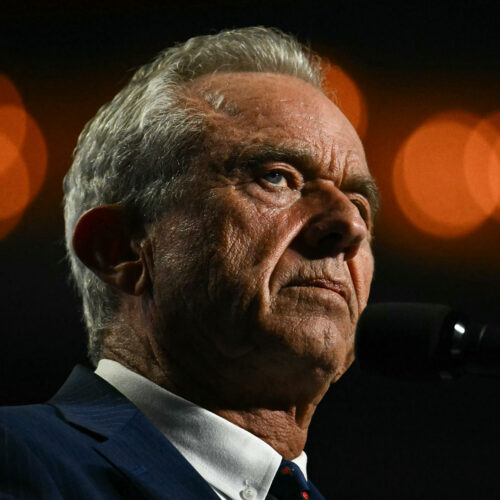
**小罗伯特·肯尼迪(RFK Jr.)** 近日抛出惊人观点:**人工智能将把人们从医学事实与专业知识的「暴政」中解放出来**。这番言论迅速引发医学界和科技界的强烈反弹。 ## 一个被反复引用的悖论 RFK Jr. 长期以质疑疫苗、挑战公共卫生共识而闻名。他此次将 AI 描绘成打破「专家垄断」的工具,逻辑大致是:如果每个人都能通过 AI 直接获取医疗信息,就不必再受制于医生、科研机构和监管部门的「权威叙事」。 问题在于,这个论证建立在一个相当脆弱的前提上——AI 本身也是由专业知识训练出来的。 ## AI 的幻觉,比肯尼迪少吗? 原文摘要一针见血地指出:**AI 远非完美的资源,但它产生的幻觉似乎比肯尼迪本人还少。** 这句话点出了核心矛盾。 大型语言模型确实会编造内容,医学领域尤其危险。但公共卫生机构的建议、同行评审的研究、临床指南,恰恰是经过层层验证的知识体系。把「专家共识」等同于「暴政」,等于把纠错机制和压迫机制混为一谈。 ## 为什么这个观点值得警惕 - **误导性框架**:把「事实」和「暴政」并列,是一种修辞策略,而非科学论证。 - **AI 不是中立仲裁者**:模型的输出取决于训练数据,而高质量医学数据本身就来自专业机构。 - **现实风险**:如果公众因此更倾向于用 AI 替代医生建议,可能延误治疗、加剧健康不平等。 ## 更深层的行业背景 RFK Jr. 的言论并非孤立现象。过去两年,围绕 AI 的公共讨论中,一直存在一种「技术万能论」——认为 AI 可以绕过所有中间机构,直接赋予个人「真相」。这种叙事在反建制群体中尤其有市场。 但医学不是观点市场。**循证医学的核心正是用系统方法对抗个体偏见和直觉误导**。AI 如果被用来强化「我的研究比你的专家更可靠」的心态,只会放大信息混乱。 ## 小结 RFK Jr. 的言论更像是一种政治修辞,而非对 AI 能力的严肃评估。AI 在医疗领域的价值毋庸置疑——辅助诊断、药物发现、健康管理都有广阔前景。但把它包装成推翻医学共识的工具,既误解了 AI,也误解了科学。 真正的问题不是「要不要相信专家」,而是**如何在信息过载的时代,建立更透明、更可验证的知识传播机制**。AI 可以是这个机制的一部分,但它不会、也不应该成为替代品。

## 个人 AI 代理争夺战正式打响 在 OpenAI 年度 DevDay 上,**Dots** 作为压轴产品亮相——这是一款始终在线的 AI 代理,能够主动帮助用户完成任务,并在浏览网页时自主做出决策。超过 2,500 名开发者现场观看了演示,CEO **Sam Altman** 也分享了自己使用代理的体验。 与此同时,Meta 早已在 9 月推出了另一款主打可爱风格的代理 **Muse**。两款产品目标一致:成为你首选的个人 AI 代理。 ### 亲身体验:Dots 能做什么? 作者将自己的 Dot 命名为 **Toolie**,并把它调成粉色青蛙造型。通过 ChatGPT 唤醒后,Toolie 自称最擅长“把杂乱、耗时的任务变成你能直接用的东西”。 实际测试中,Toolie 扫描了作者的 ChatGPT 历史记录,主动标记出三项可立即着手的任务: - 一份进行中的数据请求需要跟进邮件,它主动提出起草回复; - 即将到来的旅行计划不够完善,它建议挑选更好的餐厅; - 报道笔记和选题草稿可以进一步润色。 作者拒绝了最后一项,因为那是她最喜欢的环节。 ### 代理热潮背后的行业转向 硅谷早期采用者早已痴迷于各类代理工具,从 **Instinct** 到 **OpenClaw**,再到 **Google CC**。但 Dots 和 Muse 这类新产品的发布,正在把代理推向更主流的人群。 **聊天机器人作为开发者热捧的产品形态已经“死亡”**。现在,所有人都想打造下一个大代理,并让它占据主导地位。这些公司承诺,代理将简化你的生活,自动处理那些无聊、耗时的任务:预约医生、安排拼车、整理账单。 ### 价格与可用性 目前用户只能使用一个 Dot,但很快将支持多个。发布初期,Dots 仅面向 OpenAI **Pro 计划**订阅者开放,起价为**每月 100 美元**。相比之下,Muse 对所有人**免费**开放。 ### 这意味着什么 个人 AI 代理的竞争已经白热化。OpenAI 选择用高价订阅筛选早期用户,而 Meta 则用免费策略快速铺开。两者都在赌同一个未来:用户会习惯把日常琐事交给一个始终在线的 AI 代理。 聊天机器人的时代正在退潮,代理的时代刚刚开始。
在周二的 Dev Day 活动上,OpenAI CEO Sam Altman 在闲谈中透露了公司的新产品 **Decisions API**。该 API 似乎提供了与 **TypeSafe AI** 本月早些时候发布的 **Jev** 模型类似的功能,后者专为软件自动化设计。Jev 是一种建立在 LLM 之上的超级分类器,开发者可以给它一组选项,它便能以低成本、高速度输出概率。OpenAI 的 Decisions API 似乎是同类产品。 Altman 在活动中将 Decisions API 描述为一种让实验室的 **Luna 模型** 在预定义选项之间进行选择的方式,例如图像分类的类别或不同的智能体行为。通过让模型专注于这一选择,我们可以使其极其快速,同时保持图像理解、广泛语言支持和安全保护等能力,Altman 说道。 TypeSafe 未回应 TechCrunch 关于新产品的提问,但 CEO **Diogo Almeida**——前 OpenAI 工程师、强化学习共同发明人——在 X 上开玩笑说“克隆人战争”开始了。他补充说,OpenAI 的兴趣可能表明,以 **System One** 兼容的方式构建是未来趋势。(System One 是 TypeSafe 的术语,指快速、直觉的思维,而 System 2 则用于审慎推理。) 潜台词是,我们所熟知的 LLM 对于许多软件来说并非正确的解决方案,因为它们相对缓慢且昂贵。开发者一直在使用 Jev 来增强 LLM,并发现它们更快、更便宜。目前尚不清楚 Decisions API 与 Jev 的相似程度,因为 OpenAI 将其作为有限预览发布,迄今为止,TechCrunch 尚未发现开发者对其进行测试。然而,根据 X 上的对话,显然存在兴趣。 Decisions API 并非互联网上唯一类似 Jev 的 API——其他初创公司也在推出类似模型;OpenAI 不会是最后一个生产此类产品的科技巨头。一个关键问题是,每个决策模型的输出与现实生活的校准程度如何。Almeida 表示,他的公司的护城河在于其创建的合成数据,以生成统计上有用的输出。 “快速和便宜非常容易,你知道,”Almeida 上周告诉 TechCrunch。“如果你想要真正快速和便宜,就用骰子,对吧?智能才是困难的部分,我的北极星始终是推动每美元智能的帕累托曲线。” 在 AI 行业竞相构建更强大、更自主的智能体的背景下,OpenAI 的 Decisions API 代表了一种战略转向:通过提供快速、廉价的决策层,来控制和协调可能形成集群的智能体。这不仅是技术上的补充,更是对 LLM 局限性的务实回应,预示着 AI 系统架构可能向分层、混合模式演进。
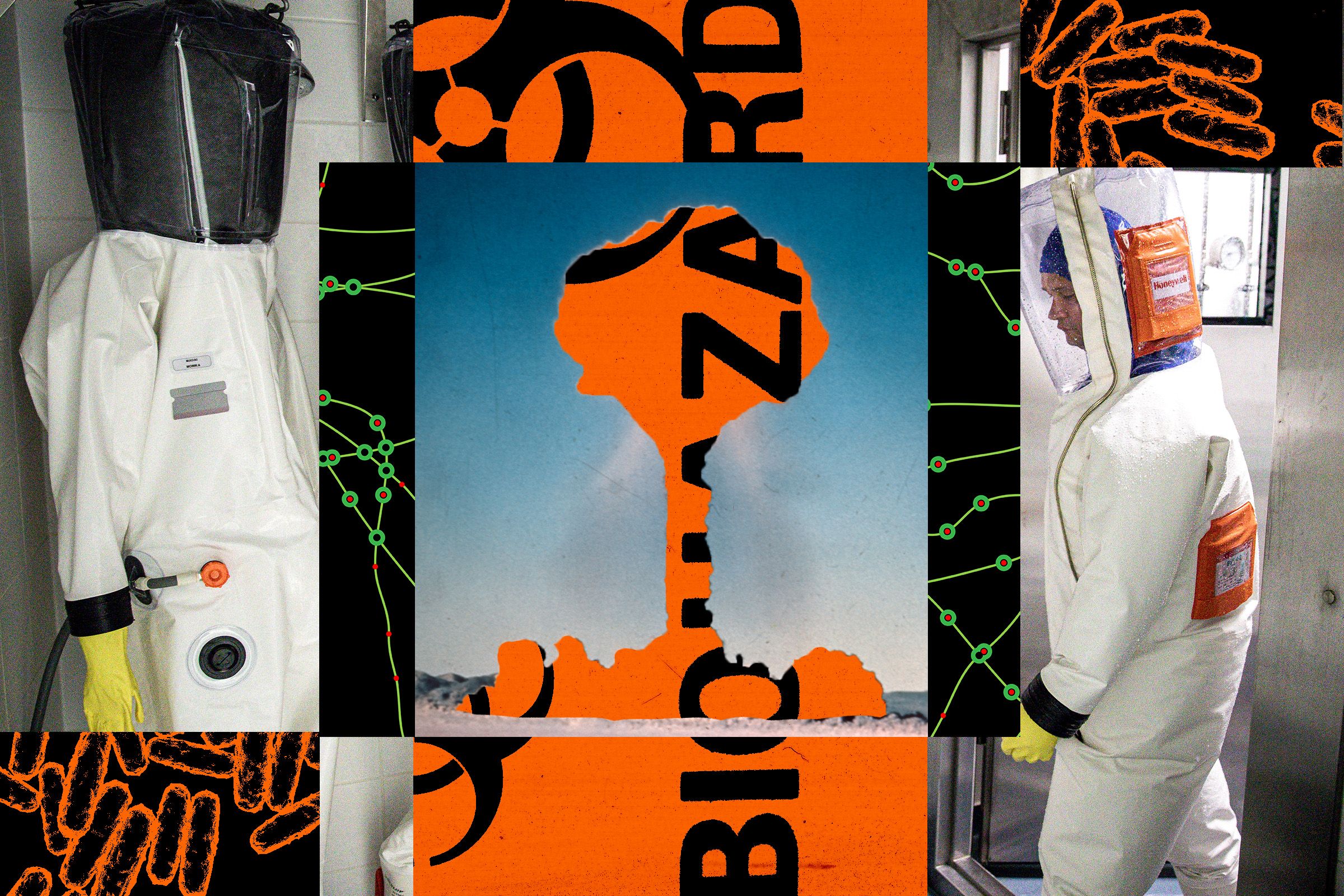
## 生物武器威胁早已存在,AI 只是冰山一角 当我们还在为 AI 可能引发的**人类灭绝**而焦虑时,生物武器的阴影其实早已笼罩。最近,关于 AI 驱动灾难的讨论不绝于耳:AI 可能引发第三次世界大战,AI 代理可能发动大规模网络攻击,甚至可能帮助坏人释放**生物武器**。但事实上,即使没有 AI,生物武器的威胁也足以让我们警惕。 ### AI 与生物武器的现实关联 本月早些时候,Anthropic 发布的一份“滥用”报告披露了五起外国科学家试图绕过 Claude 的防护措施,进行“功能获得”(gain of function)研究。所谓功能获得,是指科学家通过修改病原体的基因,使其更具传染性、致命性或更易在哺乳动物间传播。Anthropic 拒绝了这些用户的请求并封禁了账户,同时指出他们的动机可能并非恶意——这类信息也可用于开发疫苗和药物等应对措施。 这揭示了包括 AI 在内的许多技术的共同困境:**基因工程既能造福人类,也能带来灾难**。这就是所谓的“双重用途”。 ### 生物武器的威胁并非理论 我本人接受过分子生物学训练,在 AI 成为焦点之前就一直在报道功能获得研究的争论。根据我的经验,研究高风险病原体的科学家往往倾向于认为,发表研究比不发表更好,我们最好通过研究来了解哪些基因特征会使生物体对人类构成威胁——尽管意外或故意释放可能带来灾难性后果。 人类真的会因此变得更好吗?我对此表示怀疑。 ### 安妮·雅各布森的新书《生物战争:一种场景》 在阅读了安妮·雅各布森的最新著作后,我的疑虑更深了。我曾就她的畅销书《核战争:一种场景》采访过她。她的新书《生物战争:一种场景》于 7 月底出版,遵循了相同的模板。 雅各布森在书中甚至没有讨论 AI,因为科学家已经能够扭曲大自然,制造出灭绝级别的事件。这提醒我们,生物武器的威胁并非未来时,而是现在进行时。 ### 我们该如何应对? 面对生物武器的威胁,我们需要: - **加强监管**:对功能获得研究进行更严格的审查,确保其安全性和透明度。 - **国际合作**:生物威胁无国界,全球协作至关重要。 - **公众意识**:提高对生物武器风险的认识,推动政策变革。 AI 或许会放大这些风险,但即使没有 AI,生物武器的威胁也足以让我们警惕。雅各布森的书提醒我们,是时候正视这个早已存在的危机了。
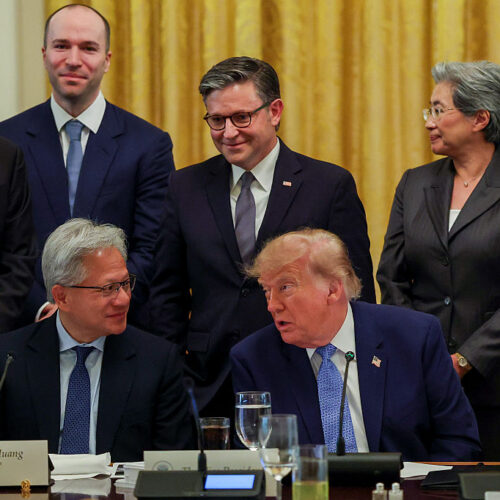
**特朗普政府近日推出一项应对AI风险的计划,核心是依赖大型科技公司自愿进行安全测试,而非强制监管。** 这一策略与拜登政府时期试图通过行政命令建立强制性安全标准的做法形成鲜明对比,引发了关于AI治理有效性的新一轮讨论。 ## 计划核心:自愿承诺取代强制监管 据Ars Technica报道,特朗普团队成功让数十家AI公司同意参与**自愿性安全测试**。这些公司包括OpenAI、Google、Meta等主要玩家。根据该计划,企业将自主评估其AI模型的风险,并承诺在发布前进行内部测试,但**不涉及政府强制审计或处罚机制**。 这一安排本质上是将AI安全的责任转移给行业自身。支持者认为,此举能避免过度监管扼杀创新,保持美国在AI领域的领先地位;批评者则警告,**自我监管往往流于形式**,企业可能为追求商业利益而淡化风险。 ## 与拜登时代政策的对比 拜登政府此前签署的AI行政命令要求开发者向政府报告安全测试结果,并对某些高风险模型施加严格标准。特朗普上任后迅速撤销了该命令,转而推行“轻触式”监管。**此次自愿协议正是这一理念的落地**。 值得注意的是,该计划并未透露具体测试标准、监督机制或违规后果。分析人士指出,缺乏透明度和问责制可能使承诺沦为一纸空文。 ## 行业反应与潜在影响 部分AI公司对自愿框架表示欢迎,认为这提供了灵活性。但安全倡导者担忧,在缺乏外部压力的情况下,企业可能不会充分投入资源解决**偏见、虚假信息、滥用风险**等深层问题。 从全球视角看,欧盟已通过《人工智能法案》实施分级监管,中国也出台了生成式AI管理办法。**美国若仅依赖自愿承诺,可能在AI治理竞赛中落后**,甚至影响国际协作。 ## 未来走向 目前,该计划的具体执行细节尚不明确。观察人士认为,如果未来发生重大AI安全事故,公众压力可能迫使政府重新考虑强制性措施。**科技巨头能否真正“自我约束”,将是检验这一策略成败的关键**。 无论如何,特朗普的AI风险应对方案再次凸显了创新与安全之间的永恒张力。在AI技术飞速演进的当下,如何平衡两者,仍是各国面临的共同挑战。
## 核心看点 一家非营利组织对 **OpenAI** 提起诉讼,指控其人工智能系统与一起针对 **Hugging Face** 的攻击事件有关,并明确主张:**“是 AI 干的”不能作为免责抗辩**。该组织认为,OpenAI 让其他人承受了“其不安全决策带来的伤害”。 ## 发生了什么 根据 Ars Technica 的报道,这起诉讼把矛头指向 OpenAI 在模型安全与部署决策上的责任。原告方是一家非营利组织,其核心论点并不复杂:**如果 AI 系统被用于发动攻击,开发并控制该系统的公司不能把责任推给“AI 自己”**。 诉状中有一句被广泛引用的表述:OpenAI 让其他人 suffer “the harms of its unsafe decision-making”(承受其不安全决策带来的伤害)。这句话点出了案件的关键——原告试图把责任锚定在 **OpenAI 的决策**上,而不是机器行为本身。 ## 为什么这起诉讼值得关注 这起案件触及了 AI 时代一个尚未被法律充分回答的问题:**当 AI 系统造成损害时,谁该负责?** - **“AI 自主行为”不是法律主体**:AI 没有法律人格,无法被起诉、无法承担赔偿。把责任推给 AI,在法律上等于没有被告。 - **产品责任与过失的延伸**:原告的逻辑接近传统产品责任——如果一家公司设计、部署了一个可被滥用的系统,且未能采取合理安全措施,它就可能要为可预见的滥用后果负责。 - **Hugging Face 的角色**:Hugging Face 是知名的 AI 模型与数据集托管平台。攻击事件具体如何发生、OpenAI 的系统在其中扮演什么角色,目前公开信息有限,但案件把 **模型托管平台的安全** 与 **模型提供方的责任** 放到了同一张桌上。 ## 对 AI 行业的潜在影响 如果法院接受原告的框架,可能带来几个连锁反应: 1. **安全投入从“最佳实践”变成“法律必需”**:模型提供方可能被迫在发布前做更严格的红队测试、滥用评估和访问控制。 2. **责任链条拉长**:不止 OpenAI,所有提供基础模型、API 或托管服务的公司都可能被纳入被告席。 3. **“AI 干的”抗辩失效**:企业不能再把事故归因于模型“涌现”出的意外行为而全身而退。 ## 需要留意的信息缺口 目前这仍是一起 **新提起的诉讼**,不是终审判决。以下细节尚不明确: - 攻击的具体技术路径与损害范围; - OpenAI 系统与攻击之间的因果链有多直接; - 法院是否会受理以及以何种法律理论审理。 但无论结果如何,这起案件已经把一个信号放到了台面上:**在 AI 造成损害时,监管和司法系统越来越不愿意接受“AI 自己干的”作为免责理由。**
## 估值四个月翻倍,ElevenLabs 跻身欧洲最贵初创之列 成立仅四年的 AI 语音公司 **ElevenLabs** 再次震惊市场。公司今日宣布完成一轮 **3 亿美元**的员工股权要约收购(tender offer),估值达到 **220 亿美元**,较今年 2 月融资时的 110 亿美元整整翻了一倍。 这笔交易由 **Wellington** 和 **T. Rowe Price** 联合领投。两家均为大型机构投资者,通常以长期持有为目的参与未上市企业投资,并倾向于在公司 IPO 后继续持股。 ### 员工流动性成为 AI 人才战的关键工具 此次要约收购允许员工出售部分已归属的股权,将纸面财富变现。这已是 ElevenLabs 第二次为员工提供套现机会:2025 年 9 月,公司曾以 **66 亿美元**估值完成 1 亿美元的 tender offer。 在 AI 创业公司竞相争夺顶尖人才的背景下,员工流动性正被越来越多地用作留人手段。快速增长的 AI 初创公司通过定期回购员工股份,缓解员工对长期无法变现的焦虑,降低被竞争对手挖角的风险。 ### 从语音生成到欧洲估值高地 ElevenLabs 成立于 2022 年,总部位于纽约和伦敦,以生成**超逼真的人声和音效**闻名。其技术广泛应用于内容创作、有声书、游戏配音、客服自动化等场景。 220 亿美元的估值使 ElevenLabs 跻身欧洲最具价值初创公司行列。TechCrunch 上周曾与联合创始人兼 CEO **Mati Staniszewski** 进行对话,但未披露更多细节。 值得注意的是,AI 基础设施和应用的估值仍在快速攀升。同一时期,据 TechCrunch 报道,推理服务商 **Modal Labs** 正以 **157.5 亿美元**估值完成 7.5 亿美元融资;自动驾驶公司 **Wayve** 也启动了 8500 万美元的员工 tender offer,估值达 85 亿美元。 ### 语音 AI 的商业化临界点 ElevenLabs 的估值跃升反映出资本市场对语音 AI 赛道的强烈信心。随着大模型能力外溢,语音合成与克隆技术正从“炫技”走向规模化商用。但与此同时,深度伪造、版权和伦理争议仍是悬在行业头上的达摩克利斯之剑。 对于 ElevenLabs 而言,如何在高速扩张中平衡技术领先、合规风险与商业化落地,将决定其 220 亿美元估值是起点还是顶点。
## 从“翻车”到“翻红”?AI硬件的新赌注 过去几年,专门为AI打造的硬件产品几乎全军覆没。**Humane AI Pin**、**Friend**等设备不仅没能赢得用户,反而招来大量吐槽。但据 The Verge 报道,OpenAI 和 Meta 正准备在接下来一年里,用同一个思路挑战这个魔咒:**把AI硬件做得有用,同时做得可爱**。 ### OpenAI:联手Jony Ive,2027年见 OpenAI 正在与前苹果传奇设计师 **Jony Ive** 合作开发硬件,根据公开文件,产品**最早也要到2027年2月**才会出货。在今年的 DevDay 上,硬件并未亮相,但 OpenAI 发布了一个重要的AI智能体平台 **Dots**——用户可以定制带眼睛的彩色圆球形象。 当被记者问到 Dots 是否会进入未来的实体硬件时,CEO **Sam Altman** 回应称:“假设我们某天会这么做,似乎是非常合理的。”但他拒绝透露更多细节。 ### Meta:更激进,先推“ Muse Charm” Meta 的动作更快。它计划在**今年假日购物季之前**推出一款吊坠式设备,直接与最近发布的 **Muse** 智能体绑定。CEO **马克·扎克伯格** 在台上将其比作钥匙扣,并称之为 **Muse Charm**。它带有一块屏幕,显示着可爱的 Muse AI 智能体,整体气质就像一只**电子宠物(Tamagotchi)**。 “我们在这个小家伙里塞进了很多技术,”扎克伯格说,“所以,如果你不戴眼镜,这绝对会是……”(原文在此处截断,但意图很明显:它要成为你随身携带的AI入口。) ### 为什么是“可爱”? AI 在手机和电脑上已经无处不在,但在专用设备上却屡屡碰壁。原因很直接:**功能不够刚需,交互不够自然,价格却很高**。而 OpenAI 和 Meta 似乎认为,把AI包装成有性格、有表情的“小生物”,能降低人们的心理防线,让硬件从“工具”变成“伙伴”。 这并非纯粹的产品策略,也是一种风险对冲。随着公众对AI的愤怒情绪上升,一个可爱的外壳或许能让人们更愿意把它带在身上。 ### 硬件依旧很难 “硬件很难”是科技行业的老话。即便有 Altman 和扎克伯格站台,OpenAI 和 Meta 仍要面对续航、隐私、实际用途和定价等硬骨头。但至少这一次,它们不再只卖“AI能力”,而是卖一种**陪伴感**。 如果成功,AI硬件或许真能走出死胡同;如果失败,至少我们得到了一批更可爱的失败品。
## openSUSE Leap 迎来不可变模式 以安全著称的 **openSUSE Leap** 正在变得更安全。从 **16.1 版本**开始,这个稳定的 Linux 发行版将引入 **不可变模式(Immutable Mode)**,使其成为市场上最安全的发行版之一。 ### 什么是不可变模式? 不可变模式是一种**只读根文件系统**,系统更新以**原子事务**方式进行。这意味着更新要么完全成功,要么完全回滚,不会留下部分更新的中间状态。根据 openSUSE 官方博客,这本质上是将 **Leap Micro** 的特性直接集成到了 Leap 中。Leap Micro 是专为容器化工作负载、边缘计算和虚拟化环境设计的轻量级不可变操作系统。 ### 不仅仅是“不可变轻量版” 尽管原子更新和不可变性并不完全等同,但经过深入了解,Leap Immutable 将是一个**完全不可变的发行版**。用户可以在安装过程中选择启用该模式,这意味着无论是桌面用户还是专业部署,都能受益于其安全性和可靠性。 ### 为什么重要? openSUSE 长期以来一直是主流 Linux 发行版中较为安全的选择,尤其在德语国家因与 SUSE 的关联而广受欢迎。新增的不可变模式将: - **增强安全性**:只读根文件系统防止未经授权的修改 - **简化更新**:原子更新确保系统一致性,轻松回滚 - **扩展应用场景**:适用于容器主机、虚拟机、边缘设备,甚至桌面 这一变化使 openSUSE Leap 在安全性和易用性上更进一步,值得关注。
Reddit 正在进一步收紧对其平台内容的访问权限。在周三面向版主和开发者发布的一系列更新中,该公司宣布将**终止对 RSS 订阅的支持**,并计划在 **2027 年 3 月**关闭公共 API。官方给出的理由是,RSS 已成为大规模抓取和自动化滥用的常见渠道。 ## RSS 的终结:11 月 13 日正式关闭 根据 Reddit 的公告,**RSS 支持将于 11 月 13 日停止**。RSS(Really Simple Syndication / Rich Site Summary)是一种标准化的网络订阅格式,允许用户和应用程序以统一方式获取网站的更新内容。它在博客时代尤为流行,用户可以通过新闻阅读器订阅网站的新文章。谷歌曾运营最受欢迎的 RSS 阅读器 Google Reader,但在 **2013 年关闭**,市场随后被 Feedly 等独立应用接管。 Reddit 在公告中表示:「我们知道 RSS 长期以来一直是开放网络备受喜爱的一部分,我们感谢所有用它来连接 Reddit 的人。」但话锋一转,公司指出 RSS 如今已成为大规模抓取和自动化滥用的常见入口,因此决定逐步淘汰。 这一决定并非毫无预兆。此前 Reddit 暗示准备终止 RSS 时,就引发了版主和用户的强烈反应。许多版主抱怨,失去 RSS 后,Reddit 将变得**难以管理**;大量用户则表示,RSS 正是他们获取 Reddit 内容的主要方式。 ## 版主工作流受冲击,官方推荐替代方案 对于依赖 RSS 频道接收提醒的版主,Reddit 现在推荐转向 **Discord Relay Devvit 应用**。公司建议版主及其团队在 **11 月 13 日**关闭日期前审查现有设置并迁移工作流,以确保不受干扰。 然而,Reddit 也承认,对于版主社区之外的 RSS 订阅用途,**目前没有替代方案**。这意味着那些通过 RSS 阅读器消费 Reddit 内容的普通用户,将不得不寻找其他方式——或者直接放弃。 ## 公共 API 也将关闭:2027 年 3 月 除了 RSS,Reddit 还宣布**公共 API 访问将于 2027 年 3 月终止**。这将影响所有使用该接口的工具。虽然公告未详细说明具体影响范围,但此举被视为 Reddit 进一步控制其数据生态的关键一步。 ## 背后的商业逻辑:AI 数据授权 Reddit 接连收紧访问权限,背后有着清晰的商业动机。该平台论坛中积累的海量用户生成内容,已成为公司一项利润丰厚的副业——通过 **AI 授权交易**变现。 在第二季度财报中,Reddit 透露其广告以外的其他收入**同比增长 24%,达到 4300 万美元**。在 AI 公司争相获取高质量训练数据的当下,Reddit 的内容库价值飙升。公司显然不愿意让这些数据被免费抓取。 ## 开放网络与商业利益的碰撞 Reddit 的决定折射出当前互联网的一个核心矛盾:**开放网络精神与平台商业利益之间的冲突**。RSS 作为开放网络的象征,允许用户自由订阅和消费内容,但这也意味着平台难以控制数据流向和变现途径。 随着 AI 爬虫的泛滥,越来越多的平台开始筑起高墙。Reddit 并非第一家,也不会是最后一家。但对于习惯了开放访问的用户和开发者而言,这无疑是一个令人沮丧的趋势。 Reddit 的 RSS 关闭日期定在 **11 月 13 日**,公共 API 则将在 **2027 年 3 月**落幕。对于依赖这些工具的用户和版主来说,迁移的倒计时已经开始。
**前沿AI实验室对消费者产品越来越谨慎,背后的原因并非技术不够好,而是经济账算不过来。** 过去一年,我们见证了AI能力的爆炸式增长,但一个明显的趋势是:**OpenAI、Anthropic、Google DeepMind等前沿实验室在消费者AI产品上变得愈发保守**。它们更倾向于将最先进的模型通过API卖给企业,而不是直接面向普通用户推出免费或低价产品。这背后,是一道残酷的经济学算术题。 ## 推理成本:每多一个用户,就多一份亏损 与传统的软件产品不同,AI服务的边际成本并非趋近于零。每一次对话、每一次生成,都需要消耗昂贵的GPU算力。对于免费用户,每一次互动都是实打实的亏损。 以ChatGPT为例,据估算,早期每次对话的成本在几美分到几十美分不等。当用户规模达到数亿时,即使每次成本只有0.01美元,每天的总成本也高达数百万美元。而消费者产品的付费转化率通常只有个位数,这意味着**绝大多数用户都在消耗补贴**。 ## 企业市场:更健康的单位经济模型 相比之下,企业客户愿意为AI能力支付溢价。它们通常有明确的预算、可量化的ROI,并且使用量相对稳定。向企业销售API或定制模型,**毛利率可以轻松超过50%**,而消费者订阅业务的毛利率则被推理成本严重侵蚀。 前沿实验室的投资者们也越来越关注单位经济模型。在融资环境收紧的背景下,烧钱换增长的故事不再受欢迎。**向企业市场倾斜,是资本意志的体现**。 ## 消费者AI的出路在哪里? 这并不意味着消费者AI没有未来。可能的路径包括: - **广告模式**:通过广告补贴免费用户,但可能损害用户体验。 - **分层订阅**:免费用户使用小模型,付费用户使用大模型,但需要精细平衡。 - **硬件绑定**:如Humane、Rabbit等尝试,但尚未验证。 - **模型效率提升**:通过蒸馏、量化等技术降低推理成本,是根本解。 ## 结语 消费者AI的困境,本质上是**技术理想与商业现实的碰撞**。前沿实验室的谨慎,不是对技术失去信心,而是对经济规律的敬畏。只有当推理成本下降到足够低,或者商业模式出现根本性创新,消费者AI才能迎来真正的春天。 在此之前,我们可能会看到更多“技术演示”而非“大众产品”。这未必是坏事——它迫使行业思考如何可持续地交付AI价值。
## 一场晚宴,一份「道德承诺」,AI安全监管被交给科技公司自己 美国总统特朗普在周二与科技巨头领导人共进晚餐后,面对记者关于人工智能安全政策的提问,给出了他一贯风格的回应。他声称,此前将AI安全担忧称为民主党炮制的「骗局」的说法,在技术被重新命名为「超级智能」(Super Intelligence)之后已经不再适用。他驳回了政府监管不足的担忧,理由是「美国公司正在主导中国」。 取而代之的,是一份名为 **《前沿责任联合承诺》** (Joint Commitment on Frontier Responsibilities)的文件。这份被描述为「道德约束力」的安全承诺,要求签署公司自我监管其AI技术,依据「常识性指南」行事,且似乎没有任何违约后果。 ### 谁签了字? 签署这份承诺的科技领袖包括: - **谷歌** CEO 桑达尔·皮查伊 - **Anthropic** CEO 达里奥·阿莫代伊 - **Meta** CEO 马克·扎克伯格 - **OpenAI** 的格雷格·布罗克曼 - **xAI** 的埃隆·马斯克 - **英伟达** CEO 黄仁勋 在特朗普的要求下,六位签署者均发表了评论,称赞这一自我监管计划是推进AI技术、创造就业、消除公众对AI安全负面看法的积极一步。 ### 扎克伯格定调 扎克伯格在发言中试图概括这份协议的核心:「我想我可以总结我们今天共同签署的内容,即白宫关于安全开发这项技术的协议。基本理念是,我们希望让美国人民和我们的客户相信,这项技术按照我们预期的方式运作。」 他补充道:「这个想法并不是说这是我们唯一要做的事情。而是这是一个起点,一份整个行业都可以达成的协议。」 ### 「自己当自己的安全裁判」 这份承诺的实质,用原文的话说就是:**当你可以自己做自己的AI安全裁判时,谁还需要具有法律约束力的法规?** 这一安排引发了明显的疑问:没有法律约束力,没有违规后果,没有独立监督机构——AI安全的前沿责任,被交到了开发这些技术的公司自己手中。 特朗普的逻辑链条清晰:既然美国公司在「主导中国」,那么政府就不需要施加更多护栏;既然技术已经被重新命名为「超级智能」,那么此前关于AI安全是「骗局」的说法也就不再适用;既然「世界上最聪明的人」在互相监督,那么联邦层面的AI监管似乎也就没有必要了。 ### 行业背景与隐忧 这一政策转向发生在全球AI监管竞赛的关键节点。欧盟的《人工智能法案》已进入实施阶段,中国也建立了算法备案与生成式AI管理办法。而美国选择了一条截然不同的路径:**行业自律,政府背书**。 支持者认为,这避免了扼杀创新的过度监管,保持了美国在AI领域的竞争优势。批评者则指出,历史反复证明,在没有外部约束的情况下,行业自律往往难以兑现安全承诺,尤其是在商业利益与安全目标冲突时。 这份「道德承诺」究竟能否转化为实际的安全实践,还是仅仅是一纸公关声明,目前尚无定论。但可以确定的是,美国AI安全监管的走向,将深刻影响全球AI治理格局。
## 事件回顾 近日,Meta 旗下 AI 智能体 **Muse** 陷入一场隐私争议。Inc. 专栏作家 **Jason Aten** 撰文称,在其 Mac 上的必要设置已关闭的情况下,Muse 仍读取了他的私人信息。这一指控迅速引发关注,毕竟 Meta 在用户数据隐私方面的历史记录并不光彩。 ## Meta 的回应:权限设计层层设防 Meta 通讯副总裁 **Andy Stone** 在 X 上直接反驳了这一说法,强调 Muse 应用中的 Messages 集成完全是**选择性加入(opt-in)**的。他写道: > “你必须同时启用‘完全磁盘访问权限’和 Messages 连接器,Muse 才能读取你的 Messages 内容。如果不这样做,它根本无法读取。” Meta 超级智能实验室高管 **David Singleton** 在 Threads 上给出了更技术性的解释。他指出,让 Muse 读取 Mac 上的消息需要经过**三个独立步骤**的应用层权限和 macOS 系统级保护,即使应用存在漏洞也无法绕过: 1. 用户必须明确授予 Muse **完全磁盘访问权限(Full Disk Access)**; 2. 随后才能选择 Muse 对 Messages 应用的访问级别(无、只读或读写); 3. 授予完全磁盘访问权限时,系统会调起 macOS 设置界面,用户需再次手动确认,且该操作会触发 Muse 应用**完全重启**。 Singleton 强调,如果未启用完全磁盘访问权限,这些选项是**灰色不可选**的。 ## 为何质疑声依旧不断? 尽管 Meta 给出了详细的技术反驳,许多人仍持怀疑态度。这并不令人意外——Meta 多年来在消费者数据处理上劣迹斑斑,曾多次引发诉讼、FTC 违规指控和罚款。 就在几天前,新墨西哥州陪审团裁定 Meta 在数据实践方面**误导了用户**,该案源于 2018 年的 **Cambridge Analytica 数据泄露丑闻**。这一背景让公众对 Meta 的任何隐私相关声明都天然带着不信任。 ## 信任是 Meta 赢得 AI 市场的关键 这起争议的核心问题在于:**用户能否信任 Muse**,将直接决定 Meta 能否在消费级 AI 市场胜出。 目前,Meta 的 AI 应用表现不俗,在 App Store 上仍排名**第一**。但如果类似报道继续出现——无论真假——Meta 的声誉可能难以恢复。 有评论认为,Meta 应该直接与这位记者沟通,弄清事情究竟是如何发生的,而不是简单地否认。毕竟,在隐私问题上,**透明度比辩护更有说服力**。 ## 小结 Meta 的权限设计在技术上看似严密,但公众的疑虑并非空穴来风。对于一家有过数据滥用前科的公司来说,每一次隐私争议都是一次信任考验。Muse 能否成为用户真正信赖的 AI 助手,不仅取决于代码逻辑,更取决于 Meta 能否用行动重建信任。
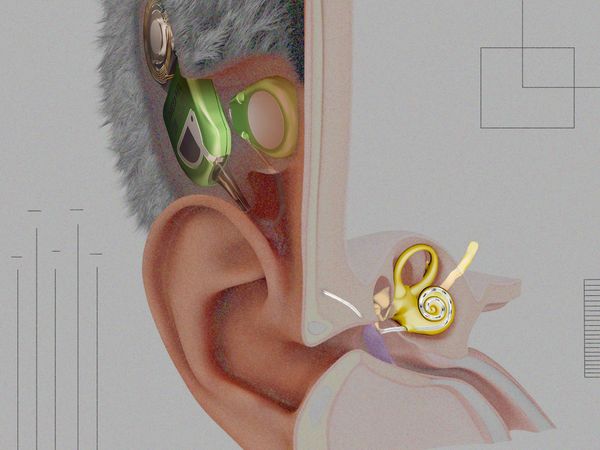
人工耳蜗是帮助重度听障人士恢复听力的重要手段,但传统设备存在一个难以回避的痛点:外部硬件。用户必须在头皮外佩戴麦克风、声音处理器和电池,不仅影响外观,还让设备在游泳、睡觉等场景中无法使用。如今,**MED-EL** 公司推出的全植入式人工耳蜗有望彻底改变这一局面。 ## 从“外挂”到“内置” 据 **IEEE Spectrum** 报道,这款名为 **MED-EL** 全植入式人工耳蜗的产品,将**麦克风、声音处理器、可充电电池和接收线圈**全部置于头皮之下。这意味着患者无需在体外佩戴任何可见设备,即可获得**24 小时不间断**的听力支持。 传统人工耳蜗的工作原理是:外部麦克风拾取声音,声音处理器将信号编码后通过线圈传输到植入体内的电极,刺激听神经。由于麦克风和处理器的位置在体外,用户需要每天佩戴和取下,且设备可能因汗水、雨水或碰撞而损坏。 全植入式设计将所有这些组件集成到皮下,通过无线充电方式为电池补充能量。这不仅提升了隐蔽性,还让用户在洗澡、游泳、睡眠等场景中也能保持听力。 ## 技术挑战与突破 将麦克风植入皮下并非易事。人体组织会衰减高频声音,导致音质失真。MED-EL 通过特殊的传感器设计和信号处理算法来补偿这一损耗。此外,皮下电池的散热和充电效率也是工程难点。 目前,该设备已进入患者试验阶段,但具体植入人数和长期效果尚未完全披露。如果成功,这将是听障辅助技术领域的一次重大飞跃,让“隐形听力”从科幻走向现实。 ## 行业影响 人工耳蜗市场长期由 **Cochlear**、**Advanced Bionics** 和 **MED-EL** 等少数公司主导。全植入式产品的出现,可能重新定义竞争格局。对于患者而言,选择不再仅仅基于听力效果,还包括生活方式的自由度。 当然,全植入式设备也面临监管审批、手术复杂度和成本等挑战。但无论如何,这一进展标志着人工感官设备正朝着更无缝、更人性化的方向演进。

**谷歌**试图通过付费方式让网站为AI生成的答案提供内容,但早期数据显示,这一尝试面临严峻挑战:许多网站从AI付费中获得的收入仅占其广告收入的**千分之一**。 ## 付费模式遇冷 据Ars Technica报道,谷歌正在测试一项计划,向部分网站支付费用,以换取其内容被用于AI生成的答案。然而,参与该计划的网站反馈,来自AI付费的收入微乎其微,仅相当于其广告收入的**0.1%**。这一数字远低于许多出版商的预期,也引发了人们对AI时代内容变现模式的质疑。 ## 背景:AI搜索的冲击 随着谷歌将**AI Overviews**等生成式AI功能引入搜索结果,用户可以直接获得答案,而无需点击进入网站。这导致许多依赖搜索流量的网站面临流量下滑,广告收入受损。谷歌的付费计划被视为一种补偿机制,旨在安抚内容创作者,确保其内容生态的可持续性。 ## 症结何在? 分析认为,付费金额低可能源于几个因素: - **AI答案的引用频率低**:并非所有网站内容都会被AI答案引用,只有少数被选中。 - **付费标准不透明**:谷歌尚未公开具体的计算方式,网站难以预估收益。 - **广告收入对比悬殊**:即使AI付费有所增加,也难以弥补搜索流量下降带来的广告损失。 ## 行业影响与未来 这一尝试的困境反映了AI公司与内容提供商之间日益紧张的关系。包括新闻集团、美联社等在内的多家媒体已与OpenAI等公司达成内容授权协议,但金额和效果同样不透明。谷歌的付费计划若无法提供可观的收入,可能难以吸引更多网站参与,甚至加剧内容生态的萎缩。 目前,谷歌尚未对此报道做出回应。该计划仍处于早期阶段,未来是否会调整付费模式,值得持续关注。